Property Sourcing vs Estate Agent: What Is the Difference?
If you are new to the world of property sourcing in South Africa, one of the first things that will confuse you is this question:
Am I doing the same thing as an estate agent?
The short answer is no, but the distinction matters, especially when it comes to how you operate, how you earn, and what the law says about your role.
What Does an Estate Agent Do?
A registered estate agent is a licensed professional who acts on behalf of a buyer or seller in a property transaction. They are regulated by the Property Practitioners Act and must hold a valid Fidelity Fund Certificate (FFC) to operate legally.
Their income comes from commission, typically a percentage of the sale price, paid by the seller once the deal goes through. They market properties, conduct show days, negotiate between parties, and facilitate the transfer process.
What Does a Property Sourcer Do?
A property sourcer finds undervalued, distressed, or off-market properties and packages those deals for investors. You are not marketing a property on behalf of a seller. You are identifying an opportunity, doing the due diligence, and connecting that opportunity to someone who has the capital to act on it.
Your income comes from a sourcing fee, negotiated directly with the investor based on the quality and value of the deal you bring.
Why the Difference Matters
The distinction is not just technical. It shapes how you build your business:
- Estate agents build relationships with sellers and buyers through listings. Sourcers build relationships with investors and motivated sellers directly.
- Estate agents earn once a listed property sells. Sourcers earn when they bring a qualifying deal to the right investor.
- Estate agents work within a structured industry framework. Sourcers operate with more flexibility but carry a responsibility to understand the legal boundaries of their role.
A Common Mistake Beginners Make
Many people who get into property sourcing assume it works the same way as it does in the UK or USA, where the discipline is more established and the market structure is different. In South Africa, we have our own regulations, our own buyer behaviour, and our own deal dynamics.
One of the most important things you can do before you start is understand how South African property sourcing works, specifically, and not try to copy strategies from other markets without adapting them.
▶ Watch on YouTube: Property Sourcing South Africa vs USA vs UK — What You Need To Know
So Do You Need a Licence to Source Property?
This is a question that causes a lot of anxiety among aspiring sourcers, and the honest answer is: it is complicated. The Property Practitioners Act has expanded who is considered a property practitioner, which may include anyone who benefits from a property transaction.
We cover this topic on a youtube video
The Bottom Line
Property sourcing and estate agency are two different disciplines with different business models, different income structures, and different legal considerations. Understanding that difference clearly is step one in building a sourcing business that is sustainable and above board.
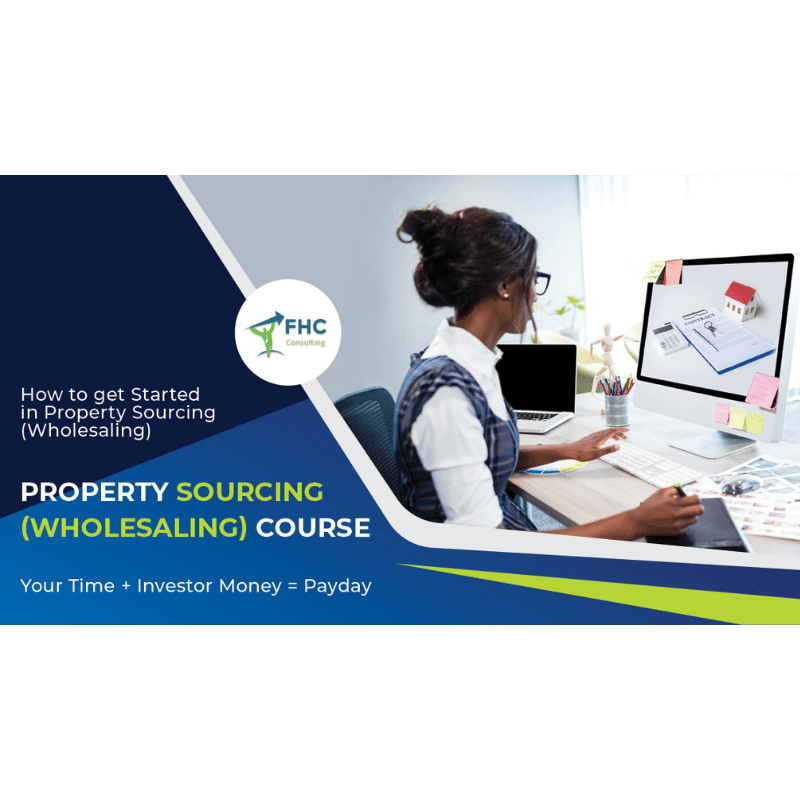
If you are ready to understand exactly how property sourcing works in South Africa from finding your first deal to getting paid, this course is your starting point.
📚 Ready to learn? How To Get Started In Property Sourcing — R1,997. Enrol here →